


How International Schools in Thailand Are Adapting to the Age of AI
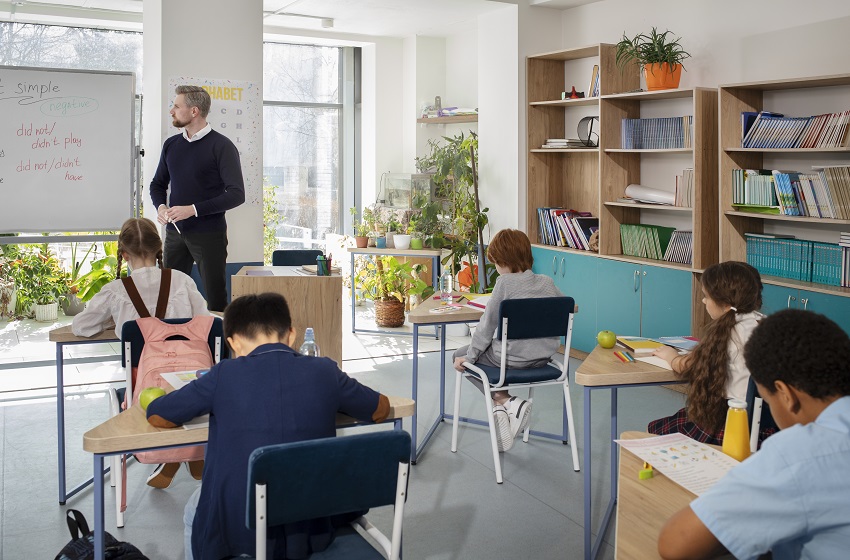
A few years ago, the biggest technology debate on any school campus was whether students should be allowed phones in class. Today, the conversation has moved on entirely. Walk into a staff meeting at an international school Thailand right now, and you're far more likely to hear teachers discussing ChatGPT-written essays, AI tutoring tools, or how to redesign an assessment so it can't simply be generated in ten seconds.
Thailand's international education sector has always prided itself on staying current with global trends, and AI is proving to be one of the biggest shifts schools have faced in a generation. Here's a look at how things are actually changing on the ground.
From banning to teaching
The first instinct at many schools, understandably, was to block AI tools outright. That approach didn't last long. Most administrators quickly realized that students were using these tools at home anyway, and that pretending otherwise wasn't doing anyone any favors. The more common approach now at an international school in Thailand is to teach AI literacy directly helping students understand what these tools are good at, where they fall short, and how to use them responsibly rather than as a shortcut around actual learning.
Some schools have gone further, building AI ethics and digital citizenship into their curriculum alongside traditional computer science classes. The goal isn't to make students AI experts, but to make sure they leave school as thoughtful, critical users of the technology rather than passive consumers of whatever an algorithm produces.
Rethinking how students are assessed
Take-home essays used to be a reliable way to check understanding. That's no longer quite true, and teachers know it. In response, many schools have shifted more weight toward in-class writing, oral presentations, and project-based assessments that are harder to outsource to a chatbot.
This shift isn't purely defensive. Plenty of educators at an international school in Thailand have noted that these formats were arguably better measures of genuine understanding all along AI has simply pushed schools to make a change that was overdue.
AI as a teaching assistant, not a replacement
On the classroom side, teachers are experimenting with AI tools for far more mundane, practical purposes: drafting differentiated worksheets for students at different levels, generating quiz questions, or getting a first pass at lesson planning that they then refine themselves. Used this way, AI is freeing up time that used to go into repetitive administrative work, time that can instead go toward actual student interaction.
Some schools are also piloting AI-powered tutoring platforms that adapt to a student's pace, offering extra practice in areas where a student is struggling without requiring a teacher to manually prepare separate materials for every learner.
Training teachers, not just students
Perhaps the biggest shift happening quietly behind the scenes is professional development. Many schools have realized that if teachers don't understand these tools well, they can't guide students effectively either. Training sessions on AI tools, prompt writing, and spotting AI-generated work have become a regular part of staff development calendars.
This matters because the pace of change is fast. A policy or lesson plan built around today's AI tools may look outdated within a year, so schools are increasingly building in flexibility rather than fixed rules.
What this means for parents choosing a school
For families currently comparing schools, this is a genuinely useful thing to ask about during a campus visit or open house. Not every international school in Thailand has approached AI with the same level of thought or urgency, and the difference shows. Some have clear, well-communicated policies and visible integration into the curriculum. Others are still figuring it out.
Worth asking directly: How does the school handle AI use in assignments? Is there any dedicated teaching around AI literacy or ethics? Are teachers given training and support, or left to work it out individually?
Looking ahead
AI isn't a passing trend schools can wait out it's reshaping how students research, write, and even think through problems, and that shift is only going to deepen. The schools handling it well aren't the ones pretending it doesn't exist, but the ones treating it as a genuine part of a modern education.
For any international school Thailand, the real test in the years ahead won't be whether they can stop students from using AI. It will be whether they can teach students to use it well, while still building the deeper thinking skills no algorithm can substitute for.
